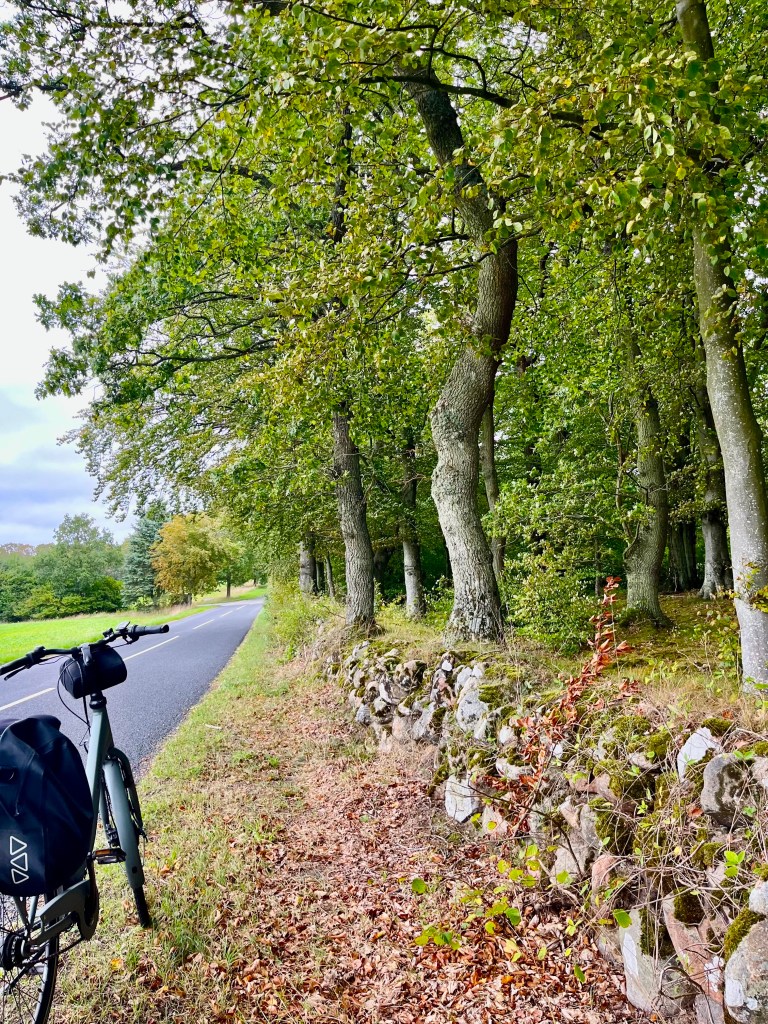
It’s blustery and a bit grey on the way to the coast today. The geometric geese you see in the sky at this time of year have now moved on. Their cackle and bark is replaced by the quiet moan of the wind through tall beech trees.
There’s an intriguing stone wall running parallel with this rural backroad. It catches the eye because walls like this are not a common sight here. It’s more like a structure from the auld country.
My en-route listening is a podcast about Jean Juares, whom I’ve been writing a short feature on. His assassination, just days before France entered the First World War, marked a triumph for the pro-war faction and the end of Jaures’ campaign to stop the march to conflict.
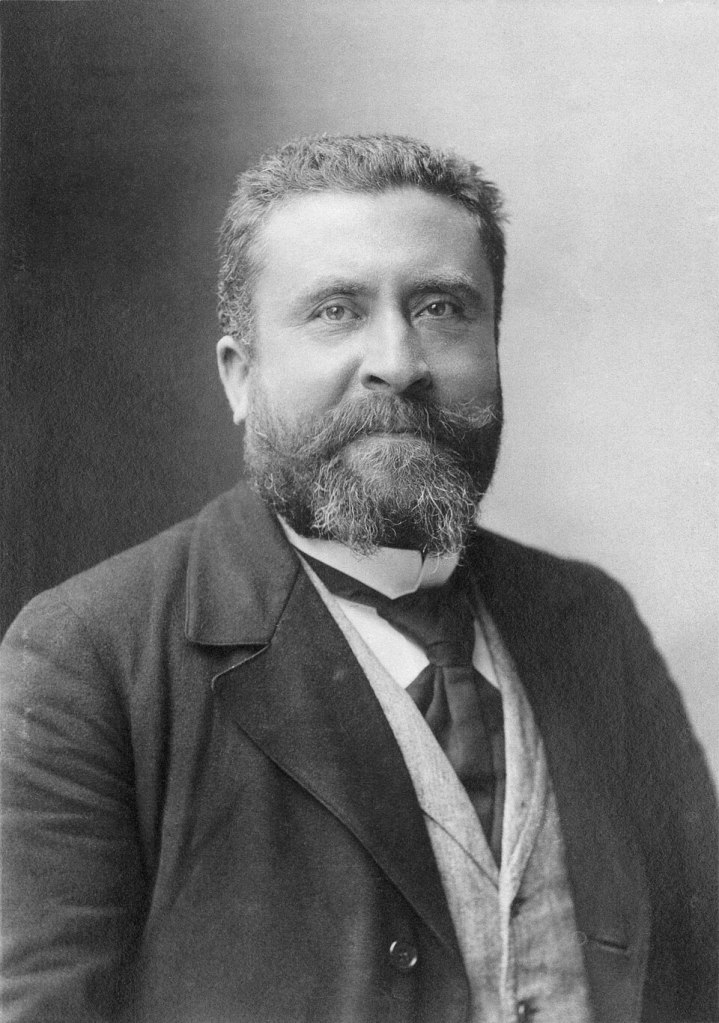
Reading about the build-up to the 1914-18 war, it’s difficult not to conclude that similar forces are at work today. Jingoistic statements and the promotion of militarism in 2026, remind us that the Armageddon of The Great War was started by political bluster intended to fuel international animosities, creating profit-making opportunities for military industrialists.
My route north is through a very ancient landscape. The forested area beyond the intriguing wall is home to burial mounds and artefacts from stone-age settlements. The unspoiled nature is rich in history from pre-historic times to the present day.
Denmark declared itself neutral at the outbreak of The Great War. It would probably have remained neutral to this day, had Nazi Germany not invaded in 1940. As part of NATO, post-World War II, the country was involved in the Cold War. So it shouldn’t be a surprise to discover that there’s a nuclear shelter somewhere in the forest off this quiet rural road. Who knew?
The Danish Forestry Commission tells us that the shelter was built between 1958 and 1961. The facility consists of two floors deep underground. It was Denmark’s first-ever nuclear bunker. Members of the government, at least 80 of them, would have run the country from this location — that was the intention, at least. The shelter is currently merely moth-balled, which might not be a bad thing in the current climate. But I’m getting ahead of myself.
The death of Jean Jaures, the French socialist and anti-war campaigner, was convenient for those promoting French militarism. Of course, the question arises as to whether his murder was a little too convenient. He certainly had a number of enemies.
Jaures didn’t go along with the ‘Germany Bad’ propaganda, and wanted the workers of both countries to unite in common cause for peace. This led to him being called a traitor. Within days of his death the catastrophe that was to be The Great War began.
Closer to home, Glasgow’s John Maclean — a workers’ rights and anti-war contemporary of Jaures — was annoying the powers that be. His harassment and punishment for anti-war and anti-capitalist ‘wrong-think’, together with his mistreatment during several prison sentences, affected his health. This undoubtedly led to his early death in 1923 at the age of only 44. Like Jean Jaures, his funeral turned into a huge memorial procession. Both were heroes for the common folk. While Maclean was not the victim of an assassin, his untimely death could be described as ‘murder by other means’.
In more recent times, the deaths of Willie McRae, Robin Cook and Dr David Kelly also raise serious questions. Then, of course, we have the untimely death of Alex Salmond. A man who was cruelly harassed, defamed, and financially ruined — and who may well have died in prison had it not been for a jury and the not-so-subtle vendetta by members of the British, that is to say, the English Civil service, to destroy him.
Alex’ treatment fits the pattern of harassment meted out to people that London likes to call ‘enemies of the state’ — though none of them are usually enemies of the Scottish State.
Salmond was clearly driven to an early grave. There is, of course, the possibility that his sudden death was due to some untraceable substance, administered surreptitiously during his final overseas mission. But no matter the actual cause, the finger of suspicion points in only one direction. Alex died in a conflict — the ongoing, undeclared hybrid war on Scotland.
The £3m civil court case Alex was pursuing has been paused since he died. Convenient for those for whom Alex was a threat: a threat not because he had all the answers, or was planning a constitutional coup via the UN, or because Alba was on the verge of a breakthrough — Sturgeon’s political and media acolytes comprehensively demonised Alba out of contention. No, Alex was a threat because it turns out he was one of the few genuine independistas within the political movement.
Infiltrators and kompromats probably outnumber indy MPs and MSPs by a large margin. Again, part of the hybrid war against Scotland is recruiting traitors from within.
With the SNP effectively out of the game, the attention of the auld enemy has turned on the non-political movements. This is the next and not unexpected phase in London’s war on our nation.
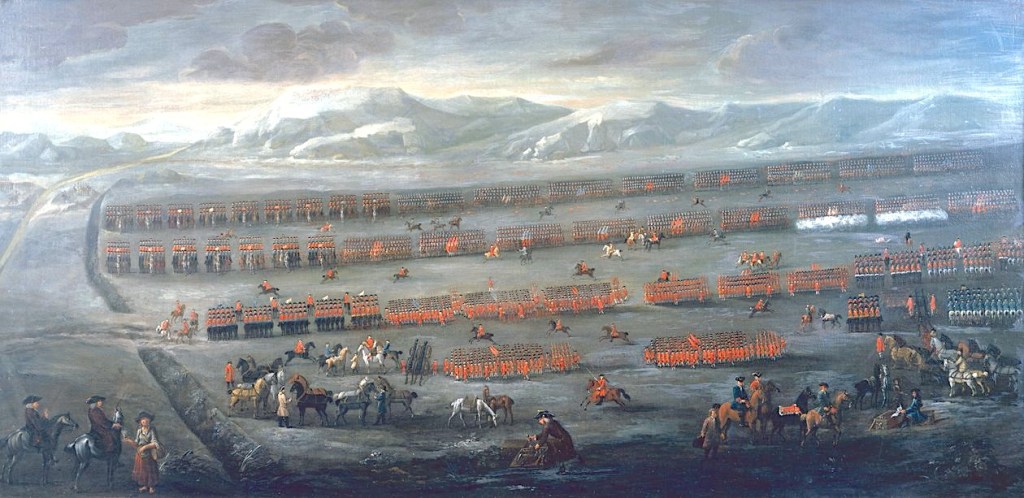
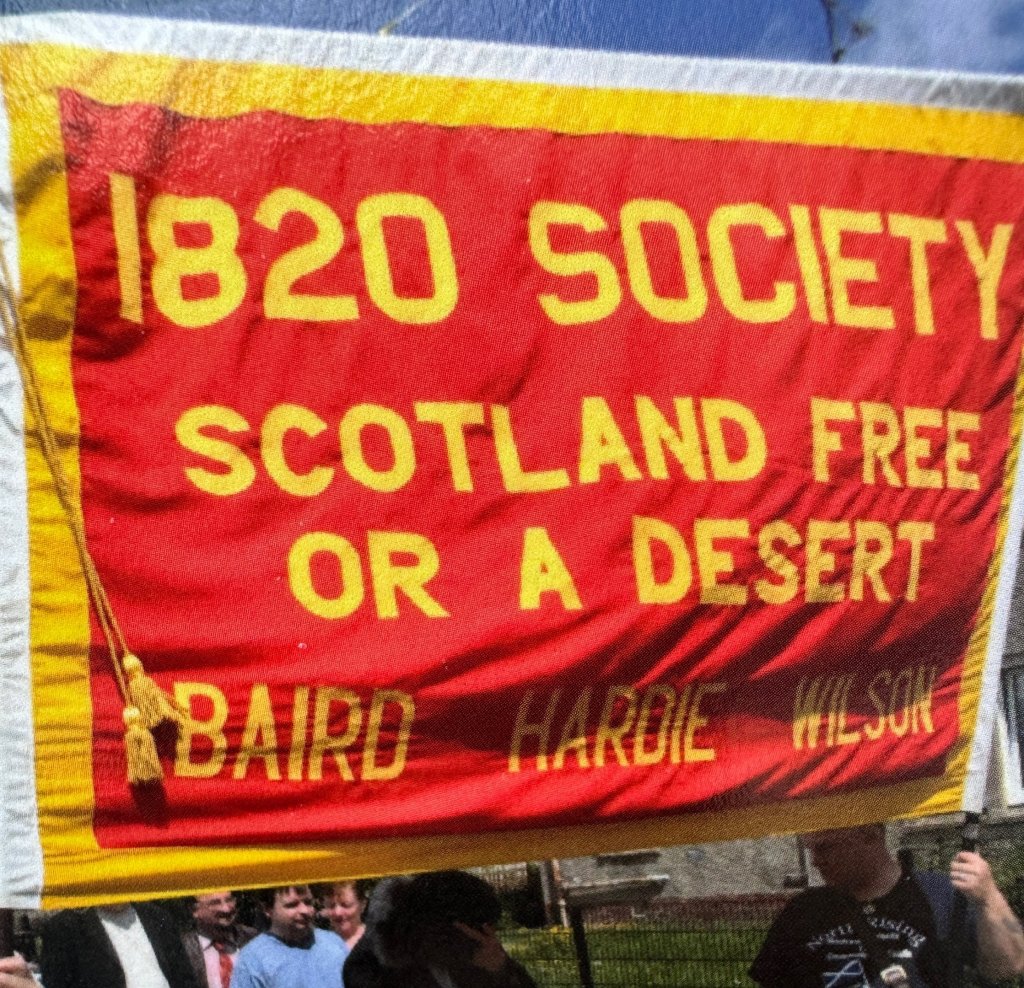
Whether we like it or not, Scotland is in a state of conflict. It’s nothing new. A state of war has been a constant for centuries. As Ailsa Gray pointed out in her 2025 Geneva speech, the Scots who actually believed a union would work soon discovered the error of their ways — hence the 1715, 1719, and 1745 uprisings, to which we could add the ‘Society of the United Scotsmen’ and the 1820 Rising.
It really is time to call out the colonial aggression against our nation. There’s no point in being squeamish or polite anymore. We are facing a ruthless colonial enemy, quite intent on erasing our national identity and exploiting the territorial resources of the Scottish people — until only scorched earth remains.
It’s on days like this, as the wind howls across the marina and through the rigging of the yachts, that you really appreciate an electric bike. It’ll make the blustery 20km return trip less exhausting. I manage to scoff a fresh warm fishcake from the harbour shop and restaurant before setting off.
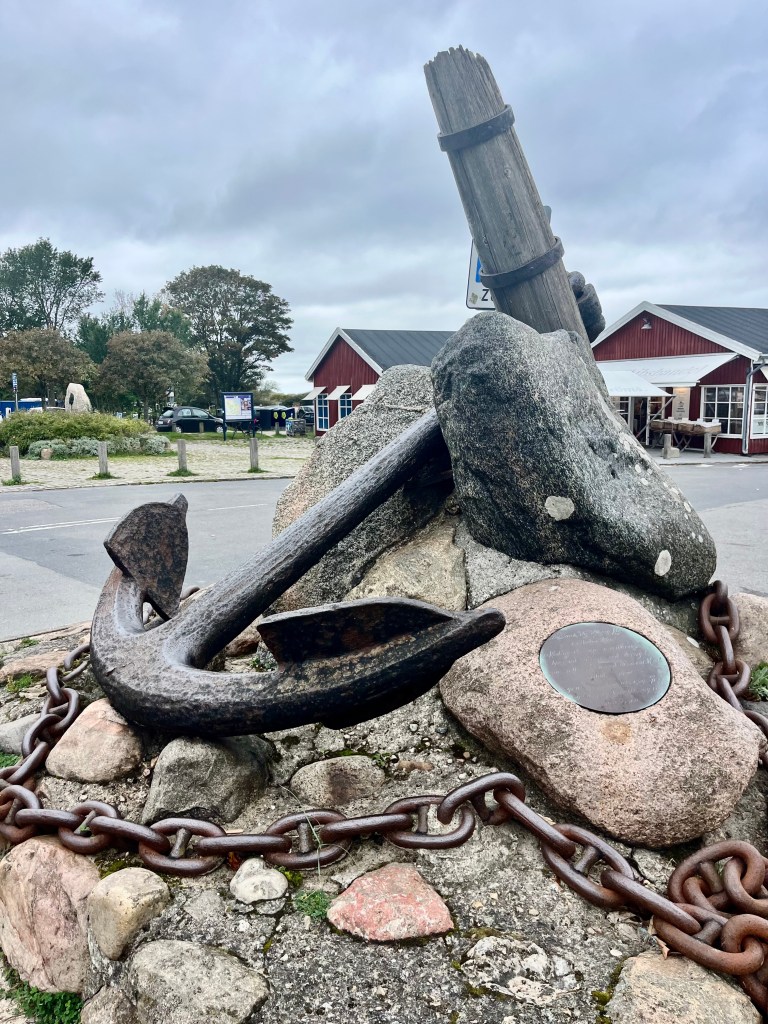
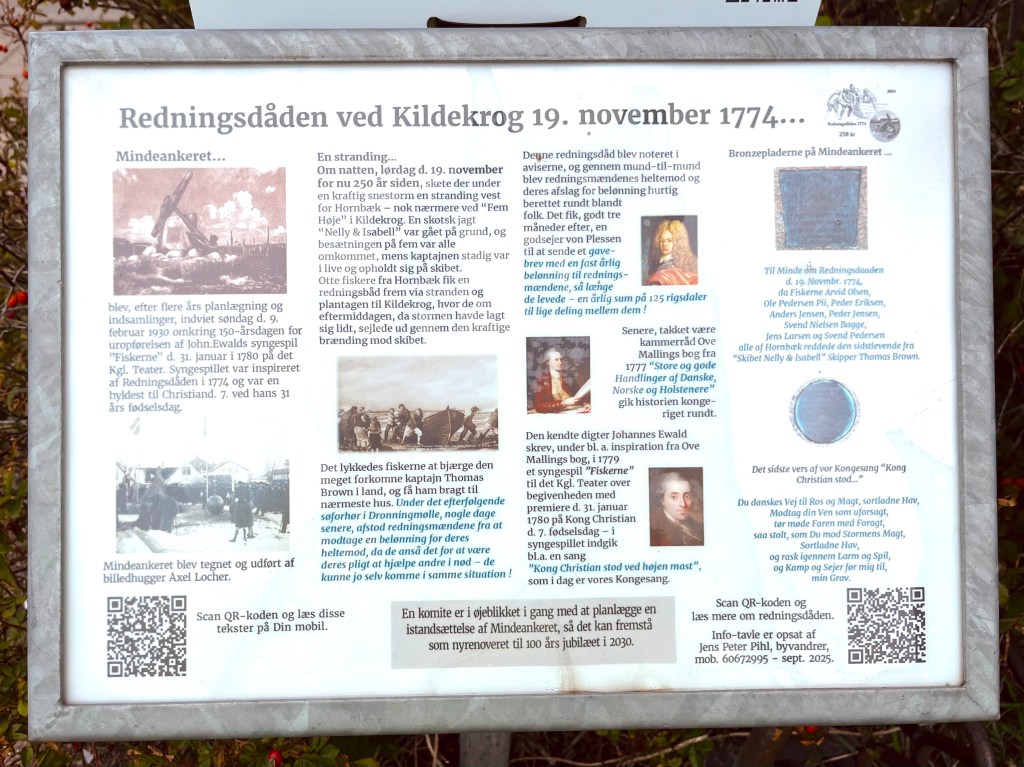
On my way out of town, a new-ish information board catches my attention. It’s next to a large memorial anchor. The text, in Danish only, references a little-known event in Denmark and Scotland’s shared history. It explains that on Saturday 19 November 1774, a shipwreck occurred during a heavy snowstorm. A Scottish trading vessel, the Nelly and Isabell ran aground. The crew of five perished. The captain, though, who had stayed with the ship, was still alive.
Eight fishermen from Hornbaek managed to get a rescue boat along the coast and sail out through heavy surf toward the ship. The fishermen rescued Captain Thomas Brown and got him to the nearest house. Brown, from Kincardine, had arrived in Denmark in October 1774 on the Nelly and Isabell with a cargo of iron cannon from Barrow.
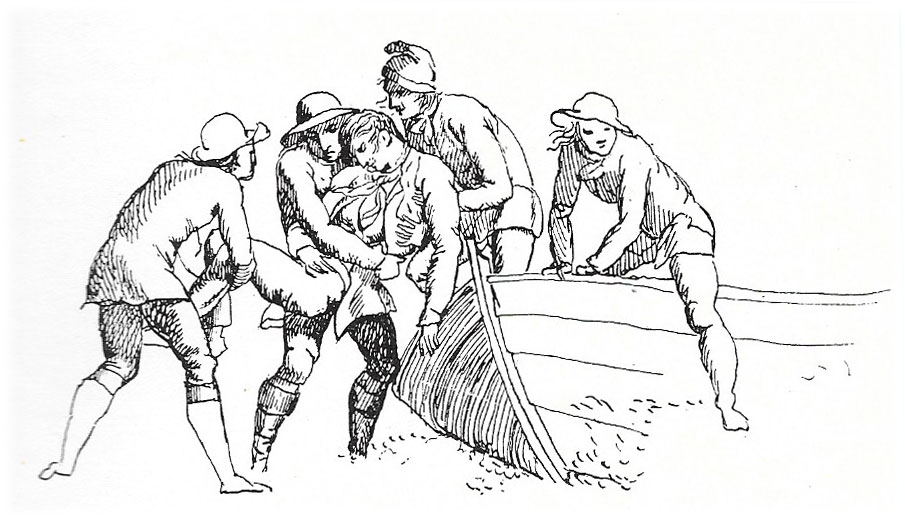
During the maritime inquiry a few days later, the rescuers refused to accept a reward for their heroism, as they considered it their duty to help others in need – after all, they could end up in the same situation themselves!
I had been aware of the rescue and the memorial anchor — you can hardly miss it. But that it involved the Scottish crew of an East Coast trading vessel was news to me.
Postscript
The rest of the information board reads:
“This act of rescue was reported in the newspapers; and through word of mouth, the heroism of the rescuers and their refusal of any reward quickly spread. This led, about three months later, to a landowner named von Plessen to send a gift letter granting a fixed annual reward to the rescuers for as long as they lived — an annual sum of 125 Rigsdaler to be equally shared among them!
“Later, thanks to councillor Ove Malling’s 1777 book, ‘Great and Good Deeds of Danes, Norwegians, and Holsteiners,’ the story spread throughout the kingdom. The well-known poet Johannes Ewald, inspired in part by Malling’s book, wrote a musical play in 1779 called ‘The Fishermen’ for the Royal Theatre about the event, which premiered on January 31, 1780, on King Christian VII’s birthday — the play included, among other things, a song ‘King Christian Stood by the Lofty Mast,’ which today is our Royal Anthem.”